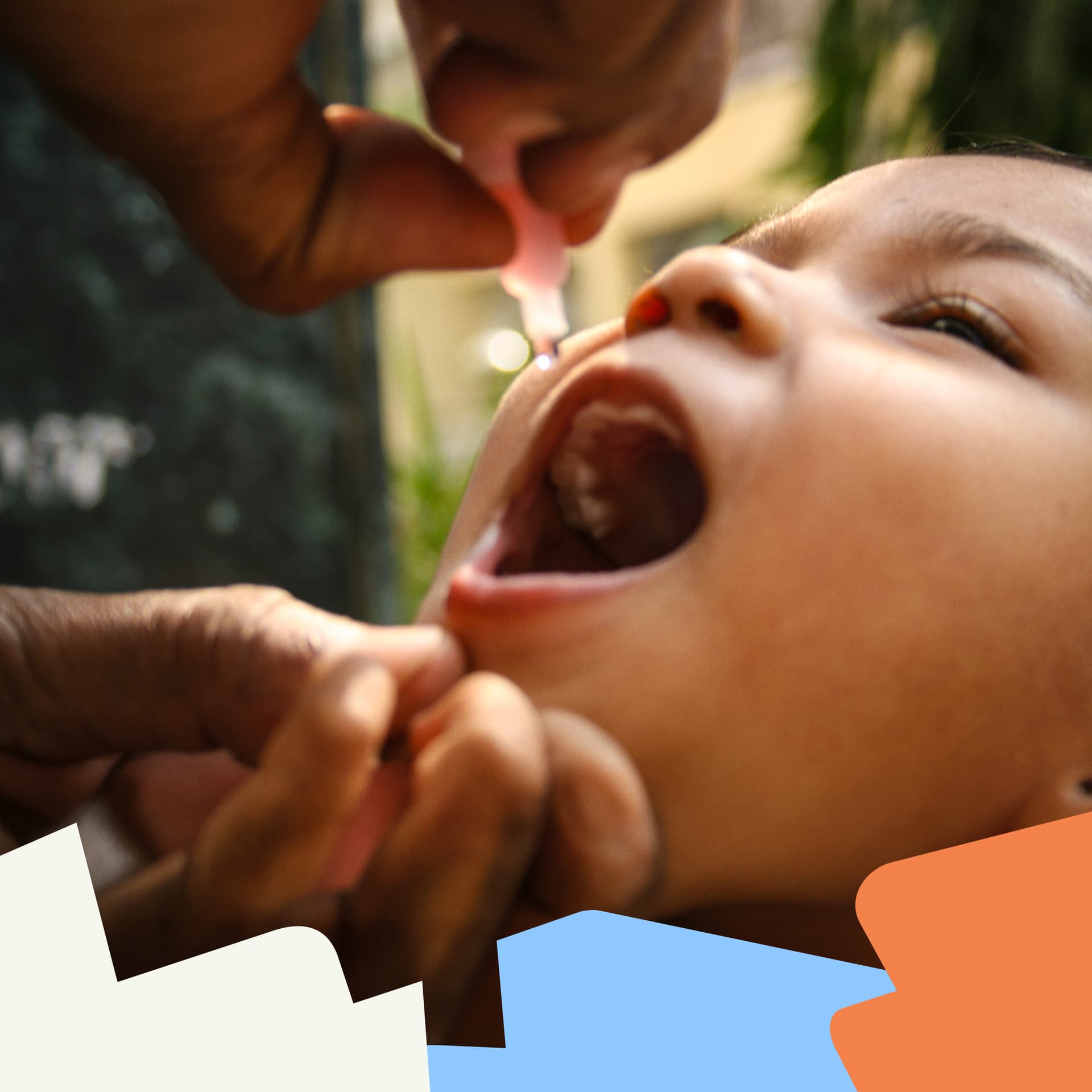
Trust is shaped by people's experiences of science: the histories they remember, whether they were listened to, and whose voices shaped what happened next. So, what does it take for science to earn trust? In this special episode of our mini-series on trust in science, recorded live in front of an audience at the…
When Science Finds a Way
Science is always adding to our knowledge of health, but how do ideas become breakthroughs, and how can those breakthroughs bring about a better world? Could mosquitos help prevent disease? Will AI tools transform mental healthcare? How is a once-ignored drug now being used to save lives? And what…
Episodes
When we say we trust science, what are we actually trusting it to do? And who gets a say in where it goes next? In the second episode of our special mini-series on trust in science, Alisha Wainwright is joined by bioethicist Dr Sarah Chan of the Usher Institute, University of Edinburgh, Professor Tom Ellis…
How much do people around the world trust in science? How has that trust changed since 2018? In the first episode of our special mini-series on trust in science, Alisha Wainwright is joined by social researcher Dr Cary Funk and Dr Jerome Kim, Director General of the International Vaccine Institute, to explore new…

We may think of carbon dioxide as the main culprit in climate change, but could tackling "super pollutants" provide an emergency brake for global warming? Dr Tom Grylls tells Alisha Wainwright how we already have the tools to reduce these gases and particles, and Bidya Banmali Pradhan describes a successful effort to…

Tuberculosis has been with us so long that traces appear in mummies. But today, the challenge is different: how do we respond to TB that's resistant to modern drugs? Professor Salome Charalambous tells Alisha Wainwright about the challenges of treating the half-million people with drug-resistant TB, and Professor…

We know how extreme heat impacts us physically, but science is still uncovering its effects on mental health. Professor Andrea Mechelli tells Alisha Wainwright what analysing millions of datapoints is teaching us, we hear from participants in his London-based research about their struggles with heat and mental health…

In much of the world people are living longer, but how can we make sure those extra years are healthy? Professor Dame Linda Partridge tells Alisha Wainwright how our ever-growing knowledge of health and ageing could lead to more personalised medicine, and Professor Mika Kivimäki explains how new methods for measuring…

We know that the food we eat affects us physically, but how might our diets help or hinder mental health? Dr Wolfgang Marx tells Alisha Wainwright about his work to find a link between mental health and diet. We also hear from Dr Iain Campbell, who found that a famous diet helped his own bipolar symptoms, inspiring…

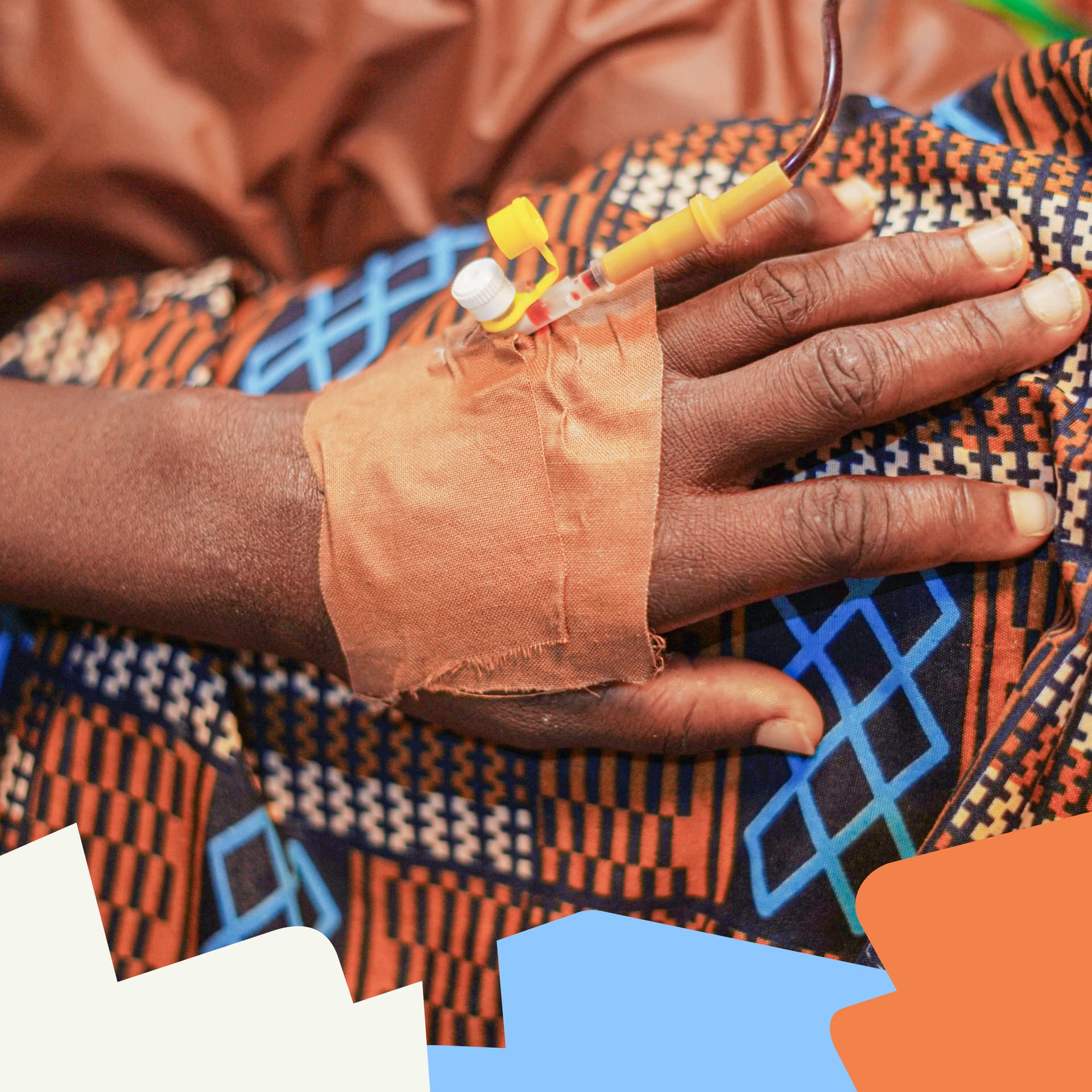
Tranexamic acid (TXA) has enormous potential to prevent deaths from postpartum haemorrhage, but until very recently it's been overlooked. Professor Haleema Shakur Still tells Alisha Wainwright how she stumbled on TXA's untapped potential, and the drug's journey from being an undervalued discovery in post-war Japan to…

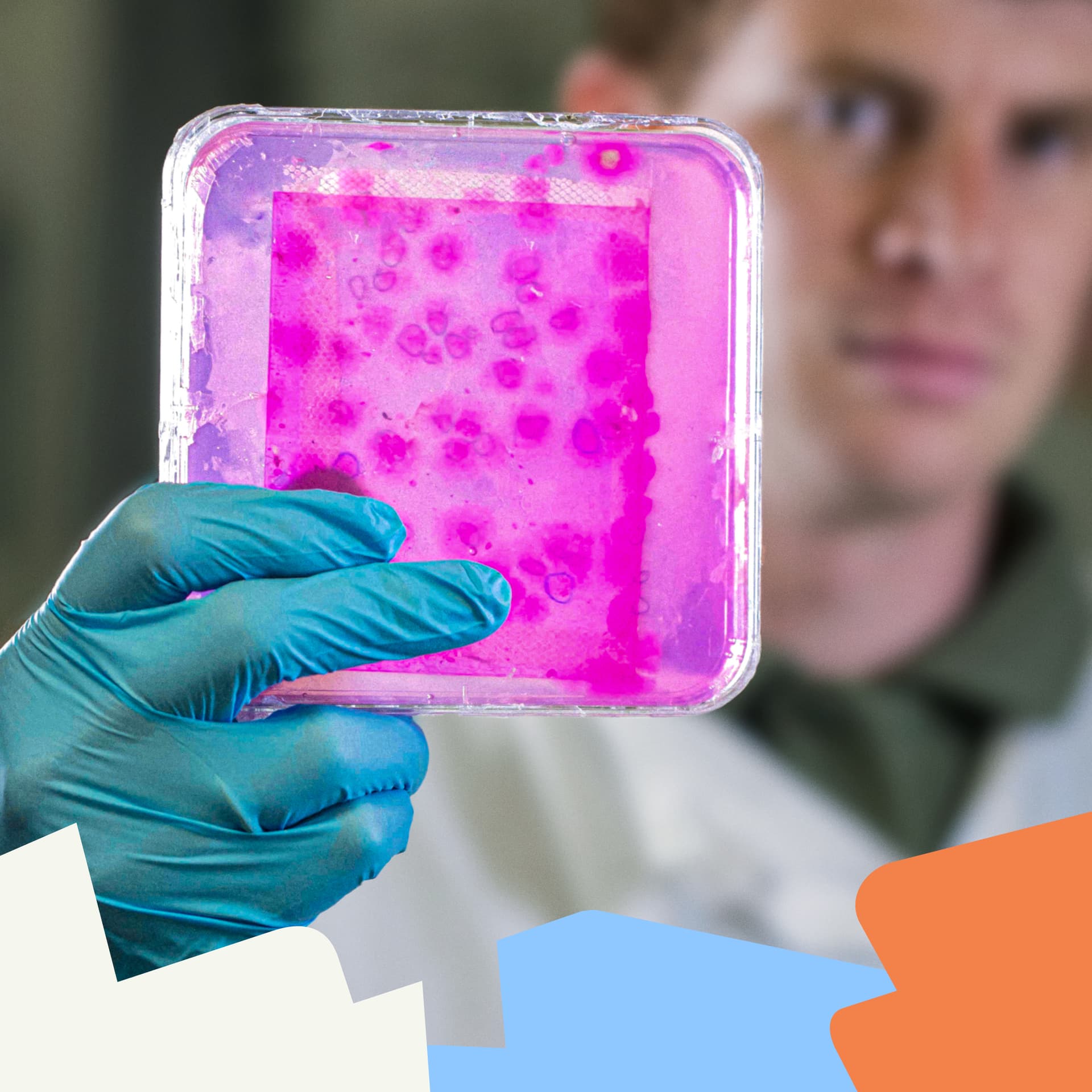
It might sound like something out of TV shows like The Last of Us, but brain-invading fungi are a real-world problem. Alisha Wainwright speaks to Drs. Rachael Dangarembizi and Rebecca Drummond, an immunologist and a neuroscientist collaborating across continents to tackle Cryptococcal Meningitis – the leading cause of…

AI chatbots and apps are increasingly being used for mental health support. But could these new tools carry hidden risks? In the second part of this special episode, Alisha Wainwright unpicks her own experiments with AI therapy, takes tips from Dr John Torous on staying safe when seeking help digitally, and hears…

Launching season 4 with a special two-part episode, Alisha Wainwright explores the potential revolution AI is sparking in mental healthcare, and how our phones could play a part. Digital psychiatry specialist Dr John Torous explains how AI trained on data from our devices could help us diagnose people with mental…